
 Placeholder photo
LiveUnder NDAroad freight transport in Europe
Freight management
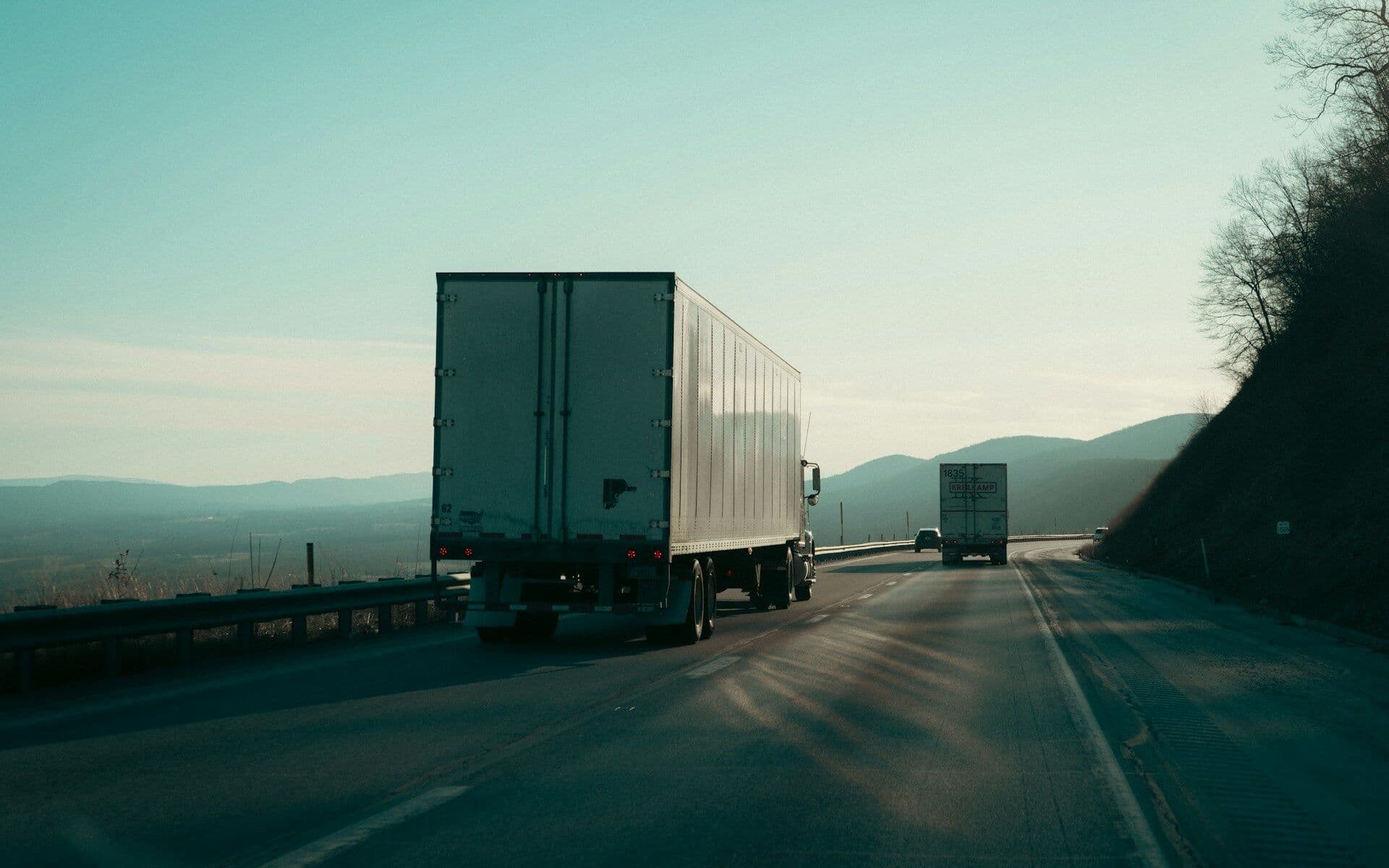
Rate quoting and transport request management for a European road carrier, its partners and end customers.
Service
We build a CRM around the way you sell: enquiries and orders with statuses, a request card with documents and correspondence, price calculation right in the request, accounts for customers and partners. Not a box full of extras, but what your sales team actually works with.
Animation: enquiry cards pass through four narrowing sales stages like a funnel; some drop out on the way, the rest reach a deal, and history rows are added to the customer card.
Situations that bring people to us for this service.
A customer's history is scattered across chats, and the answer depends on who remembers what.
To find out what stage an order is at, the customer writes and a manager searches.
Every quote is a spreadsheet and a manager's time, and a mistake costs money.
Stages, fields and roles don't match how you actually sell.
Where customers come from, which stages an enquiry goes through, who is responsible for what.
Every enquiry is stored in the system with a status, a reason for each change and a history; notifications go by email or messenger.
Filters by status and source, search by name and phone number.
Addresses, attached documents, PDFs and correspondence — in one place, not in the inbox.
The customer or a manager sees the price by your rules straight away, and you update the rules yourself.
Separate accounts for companies, employees or suppliers; a partner can sell under their own brand.
Each role sees and changes only what it is allowed to.
Website forms, email, messengers and your accounting system — data reaches the CRM without manual copying.
The project path
Every step ends with a decision: go on or stop. We don't start the next one until the previous one has given its answer.
You describe the process and what gets in the way. We reply by email with questions and arrange a call.
We study the process with the people who work in it and write down what the system must change and how we will check it.
We build a working prototype of the key scenario to test the idea on real data rather than on polished screens.
We run the system in your real environment with agreed outcome criteria and a deadline. After the pilot we decide together whether to go further.
We bring it to daily use: reliability, access rights, links to other software, documentation, support. Then we develop it based on user feedback.
Systems where we have already done this kind of work.
Placeholder photoRate quoting and transport request management for a European road carrier, its partners and end customers.
 Placeholder photo
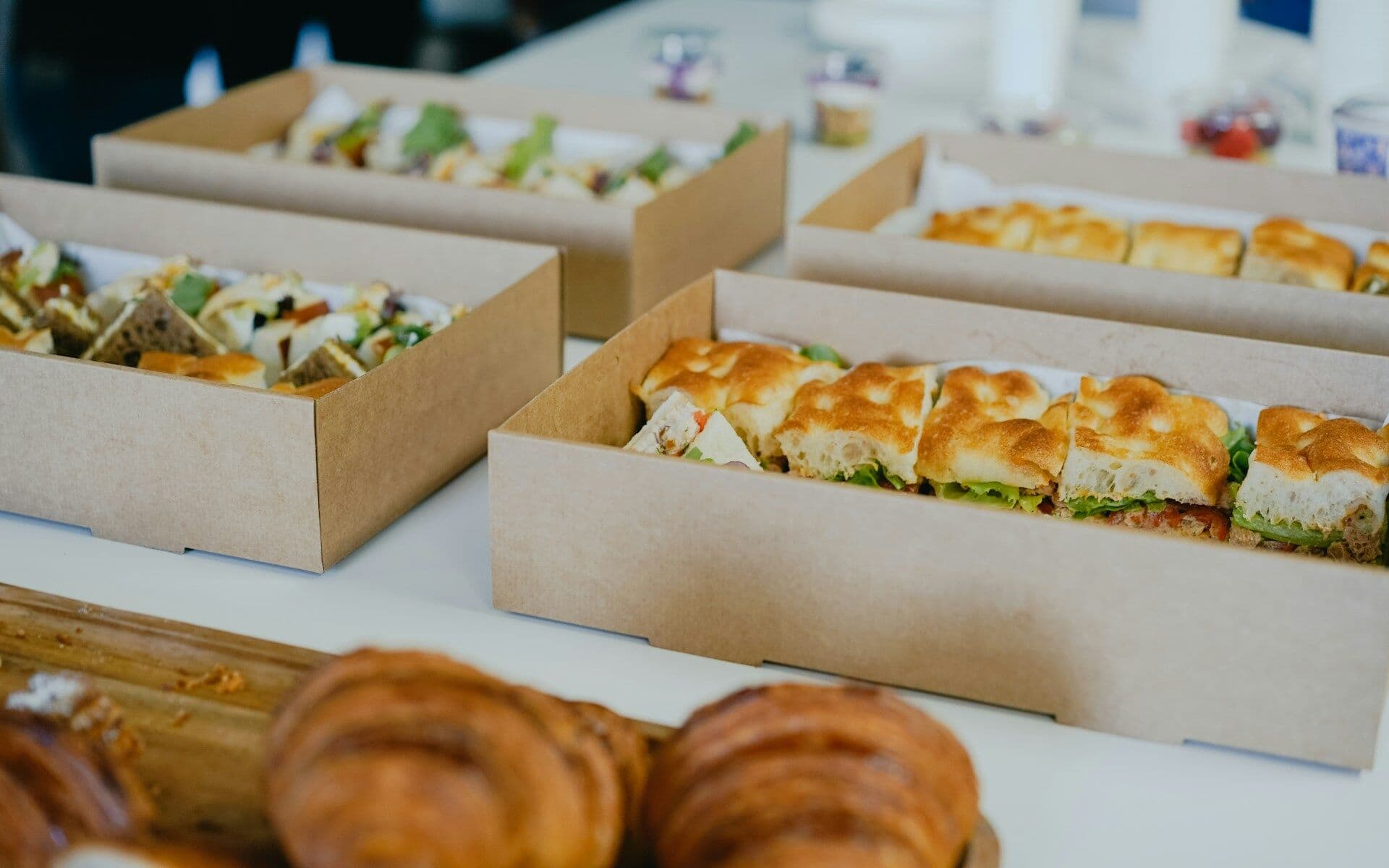
A corporate lunch platform: staff order a week ahead, the company sets the limit, the kitchen gets ready-made labels and sheets.
 Placeholder photo
A cleaning company website with a step-by-step price calculator, stored orders, and a panel where prices and content are edited.
If it covers your process, use it. We step in when selling has its own rules: complex price calculation, partner accounts, particular statuses.
Yes. An enquiry is stored in the system first, and a notification arrives in the messenger — that's how the cleaning company case study works.
Yes. In the road freight case study a partner gets a site under their own brand — with their own logo, language and price coefficient.
Yes. First a prototype of the key scenario, then a pilot, and only after that do we decide what to add next.
Describe it in a few sentences: how things work today and what gets in the way. We reply by email with questions on the next business day.
Get in touch