 Placeholder photo
PrototypeProduct: TermoHubpolymer products manufacturing
Manufacturing tracking
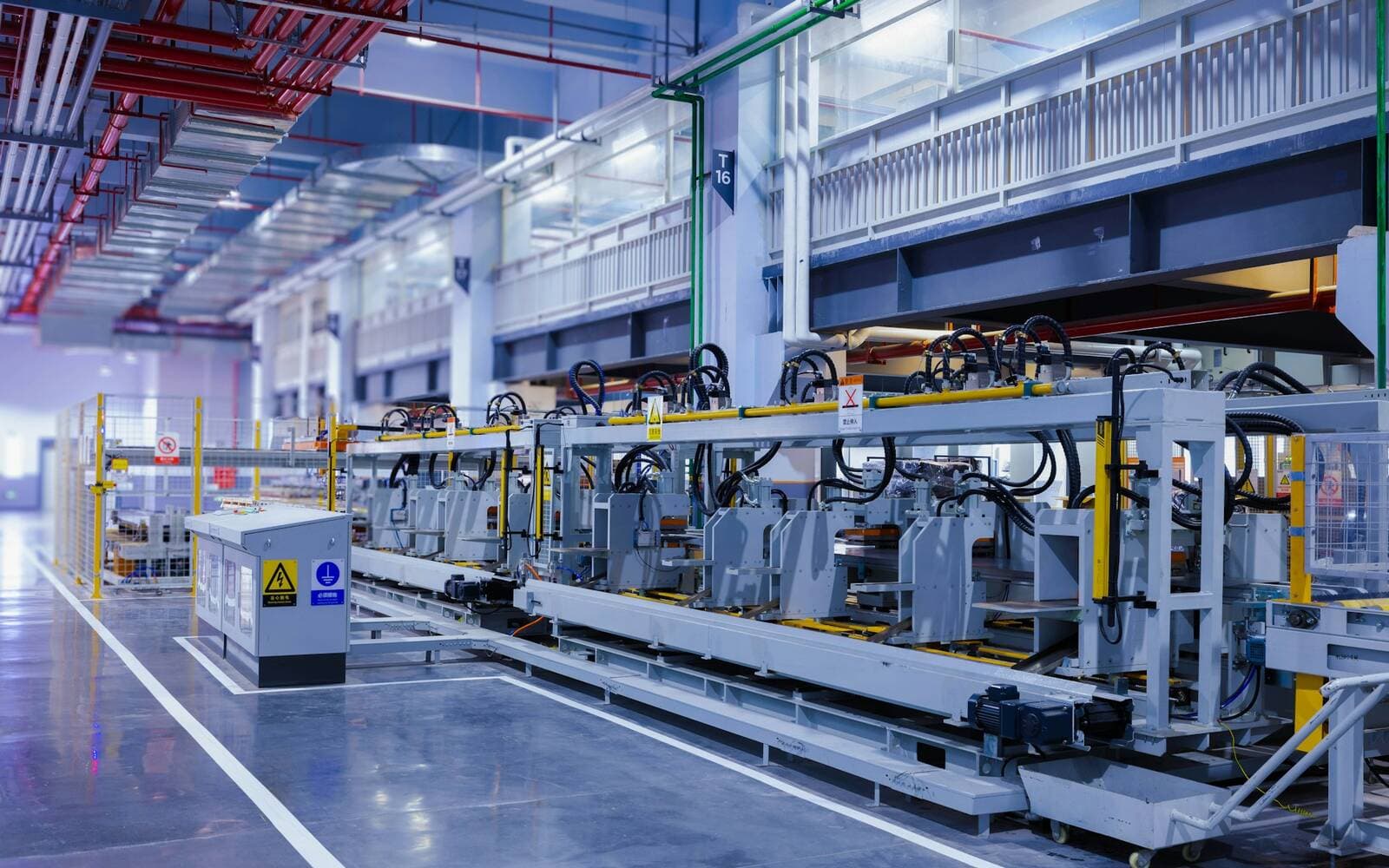
Shop-floor tracking of finished goods: scan at the station, build the shipment in the app, keep working with no network.
Service
We build systems in which every object — a part, a shipment, a transport request — has a status and a history: who did what to it and when. Staff record a step from their phone; the manager sees the picture in the panel straight away.
Animation: dots travel along a route between nodes — work areas and hand-over points — and a status tag lights up above each node they pass.
Situations that bring people to us for this service.
Finding out where a part, a load or a request is means phoning round and asking again.
Who handed what to whom, and when, is written on paper — or not written down at all.
A mistake in a route or a dispatch is noticed only once it has become a problem.
Staff can't record a step because the network has dropped, and data is lost or duplicated.
A ready-made solution forces you to bend your own statuses and roles to fit it.
Together with the people who work in the process, we define the objects, statuses, roles and hand-over points.
Every object has a status and a log of states: what happened to it, who did it and when.
Staff scan a barcode or record a step from their phone and see at once whether the operation was accepted.
Changes show up immediately, and notifications arrive on the phone.
If a step doesn't match the route or the rules, the system records a conflict with its reason instead of quietly accepting it.
Scans and operations are stored on the phone and sent as soon as the connection returns — none is counted twice.
Only people allowed to change a record can do so — for example, those assigned to that work area.
Staff lists, reference data and barcodes sync with the software you already run.
The project path
Every step ends with a decision: go on or stop. We don't start the next one until the previous one has given its answer.
You describe the process and what gets in the way. We reply by email with questions and arrange a call.
We study the process with the people who work in it and write down what the system must change and how we will check it.
We build a working prototype of the key scenario to test the idea on real data rather than on polished screens.
We run the system in your real environment with agreed outcome criteria and a deadline. After the pilot we decide together whether to go further.
We bring it to daily use: reliability, access rights, links to other software, documentation, support. Then we develop it based on user feedback.
Systems where we have already done this kind of work.
Placeholder photoShop-floor tracking of finished goods: scan at the station, build the shipment in the app, keep working with no network.
 Placeholder photo
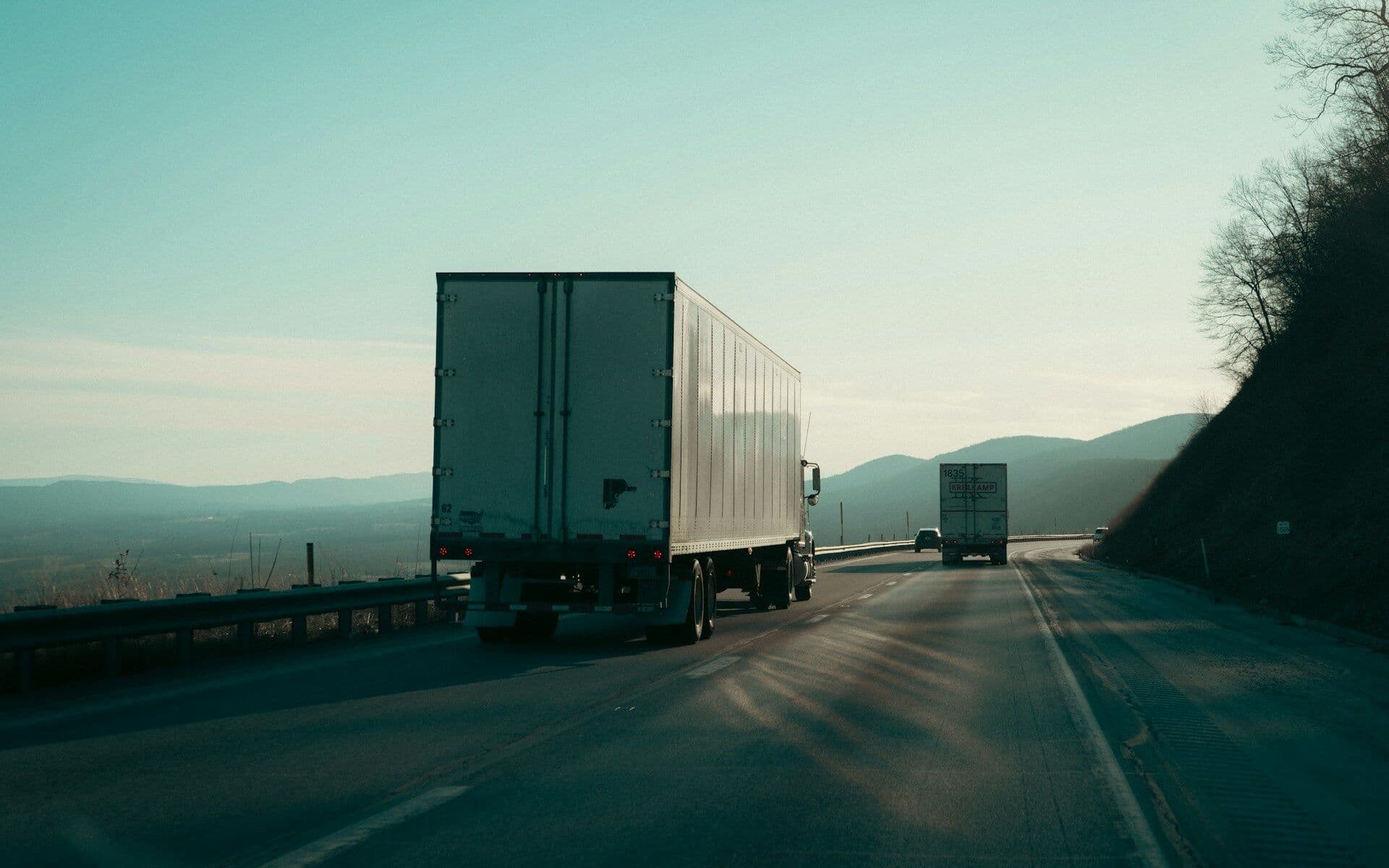
Rate quoting and transport request management for a European road carrier, its partners and end customers.
An off-the-shelf service works well when your process matches its model. When your statuses, roles and rules are your own, we build the system around them — and it answers not only “where” but also “who did it and when”.
Work doesn't stop: operations are stored on the phone and sent as soon as the network is back. No scan is counted twice.
Exchanging data with what you already run is one of our principles. Whether your particular devices can be connected we'll say once we've seen them: in our published case studies, tracking works through scans and statuses, not GPS.
Yes. First we build a prototype of the key scenario, then run a pilot in your environment, and only after that decide together whether to extend the system.
Describe it in a few sentences: how things work today and what gets in the way. We reply by email with questions on the next business day.
Get in touch